
Sustained stress can push hair follicles into their resting phase early, which shows up as noticeable shedding two to three months after the event that triggered it. This kind of loss is usually temporary, and hair generally recovers once the underlying stress is addressed.
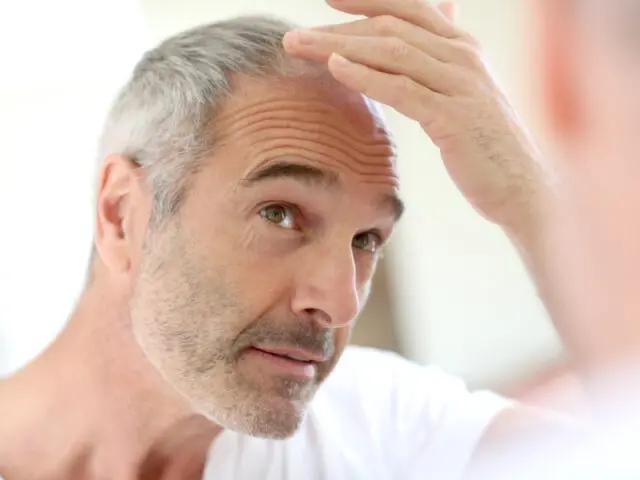
Male pattern hair loss is far more common and tends to begin earlier, driven by a genetic sensitivity to DHT that shortens each growth cycle. Women lose hair too, but usually as diffuse thinning rather than a receding hairline, which changes both the diagnosis and the treatment.
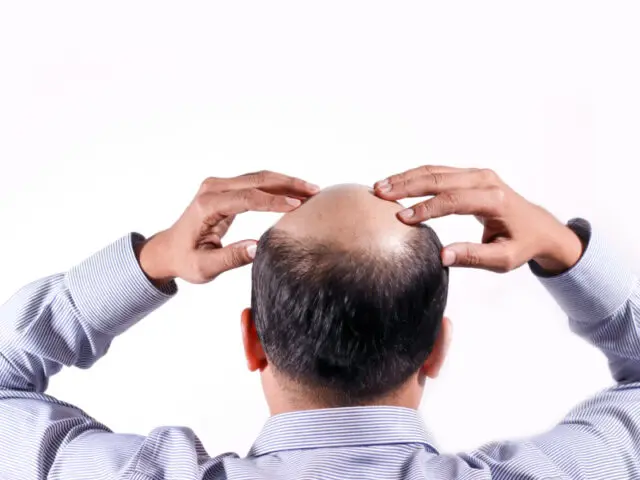
Every hair transplant leaves some scarring: FUT produces a single fine line across the donor area, while FUE leaves tiny circular marks that hair soon covers. How visible either becomes depends on technique, your own healing and how closely you follow aftercare.

Turkish clinics can produce good surgery, but the cheapest packages usually mean technicians do much of the work, with very high graft counts and little follow-up. The risks are practical: an over-harvested donor area, an unnatural hairline, no aftercare at home.
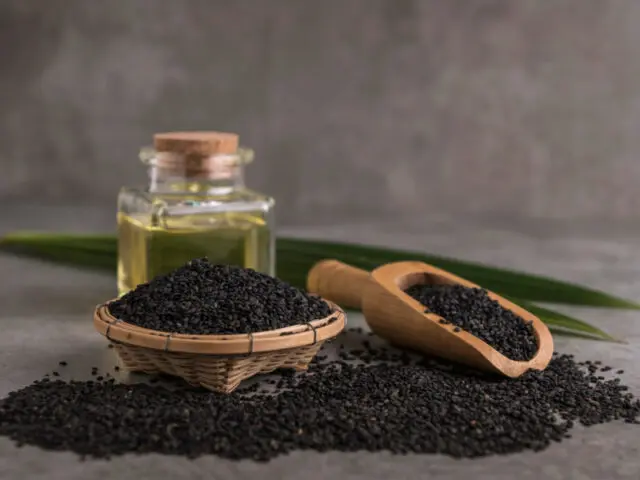
Black seed oil has shown modest benefits for hair density in small studies, largely through its anti-inflammatory effect on the scalp. It can be a useful supporting habit, but it will not reverse genetic hair loss, and it should be patch-tested before you use it regularly.

The most flattering cuts for thinning hair keep the sides short and the top textured, so contrast does the work rather than length. Long, flat styles tend to separate and expose the scalp, so ask your barber to cut for the hair you have now rather than the hair you used to have.

Healthy hair starts at the scalp: gentle washing, less heat and treating flaking or irritation early all support stronger growth. Persistent itching, redness or tenderness is worth investigating, because scalp conditions can accelerate shedding that would otherwise be manageable.
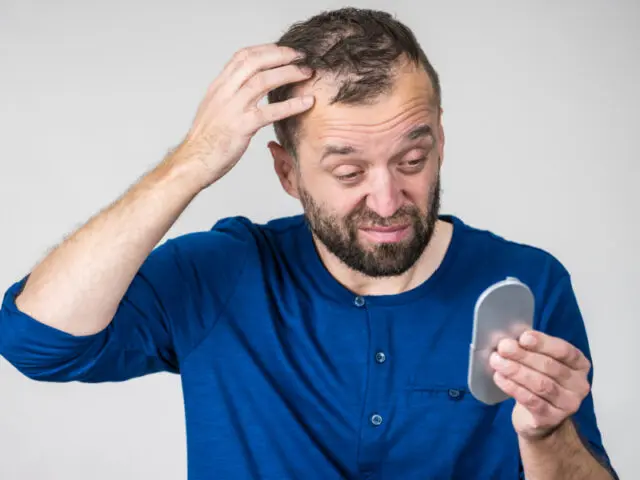
Once a follicle has stopped producing hair it will not restart on its own, so genuinely bald areas do not regrow naturally. Thinning hair that is still growing can often be held or improved with medication and PRP, while a transplant is the option for areas that have already been lost.

Short, textured cuts with faded sides flatter a thinning crown because they reduce the contrast between hair and scalp. Comb-overs, long fringes and heavy side partings do the opposite, drawing the eye straight to the area you are trying to disguise.
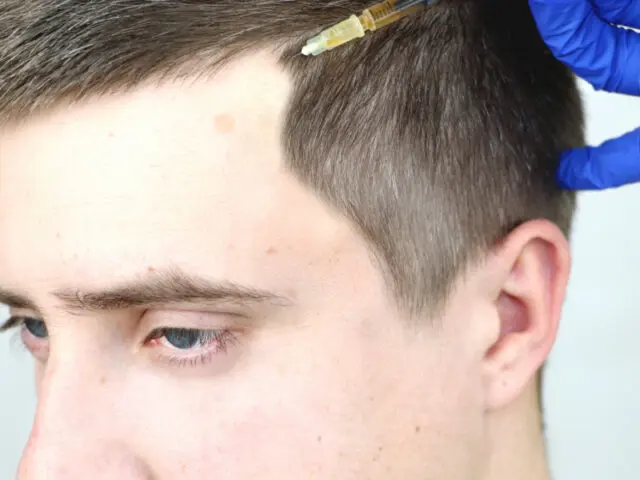
A hair transplant is carried out under local anaesthetic, so the procedure itself is not painful and the injections at the start are the most uncomfortable part. Mild soreness and tightness for a few days afterwards is normal, and simple painkillers are usually all that is needed.