
 Before
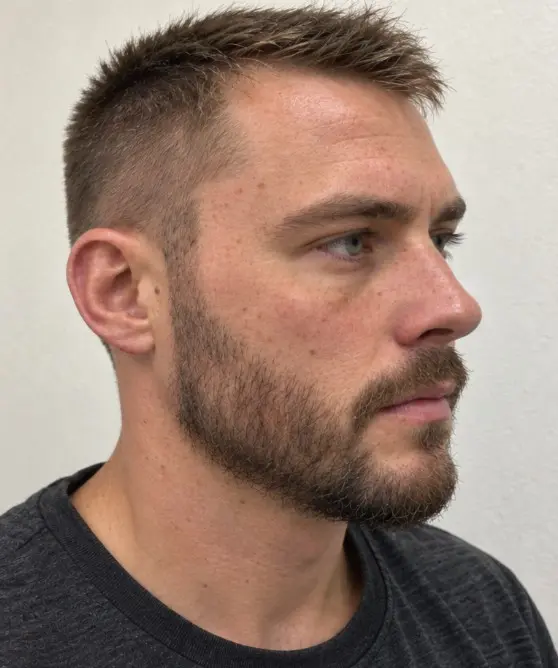 After
After
Natural-looking facial hair restoration, designed around your features.
A successful beard transplant is about more than adding hair. At Berkeley Hair Clinic, every treatment is surgeon-led and individually designed around your facial proportions, existing beard growth and the density, shape and definition you want to achieve.
From careful donor selection to the precise angle and direction of every graft, attention to detail is central to the Berkeley approach. Using advanced planning and Berkeley Diamond Sapphire Blades™, exclusive to Berkeley in the UK, our surgical team creates natural-looking facial hair patterns supported by personalised care and dedicated aftercare throughout your recovery.

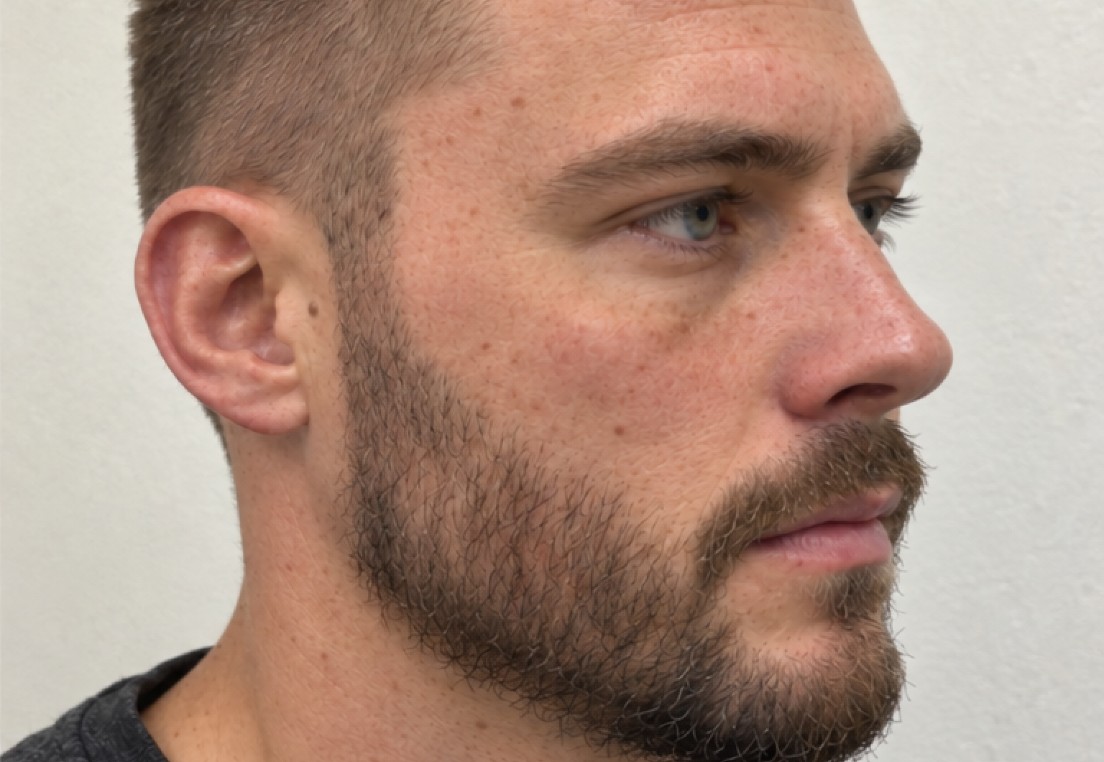
Explore real Berkeley beard transplant results, showing how carefully planned graft placement can improve beard density, shape and definition while blending naturally with existing facial hair.
Before
After
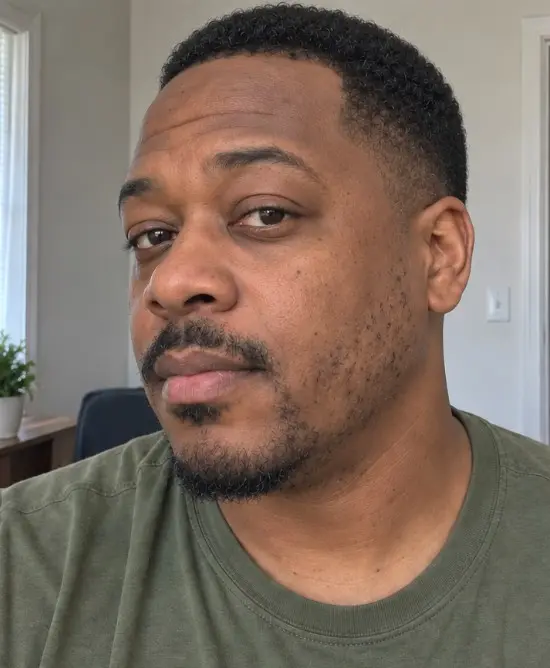 Before
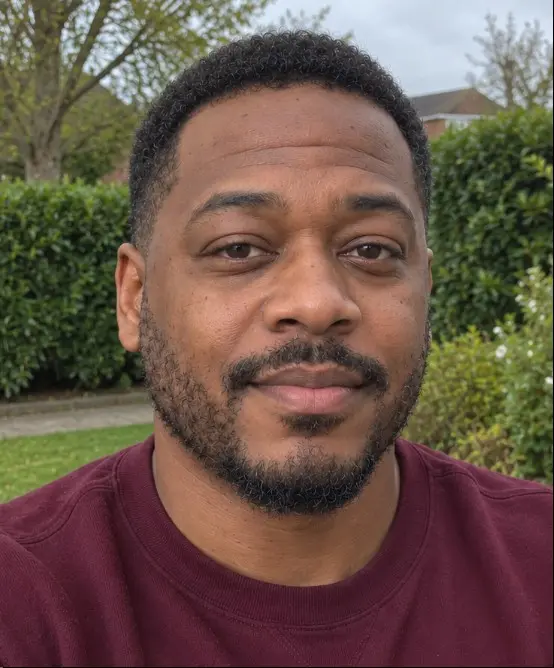 After
After
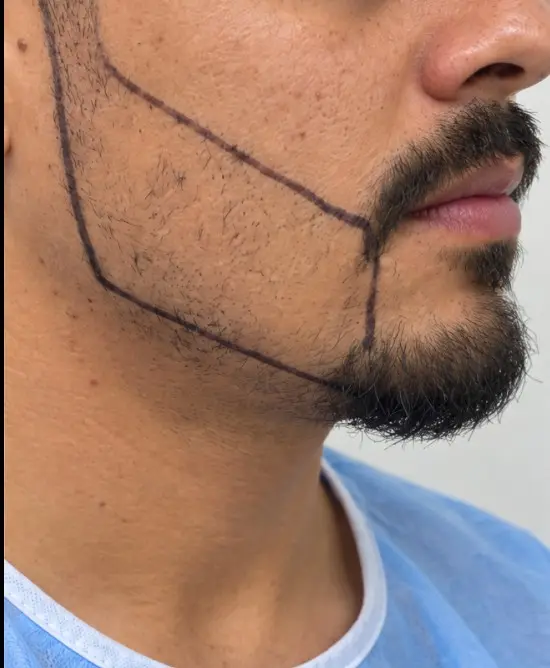 Before
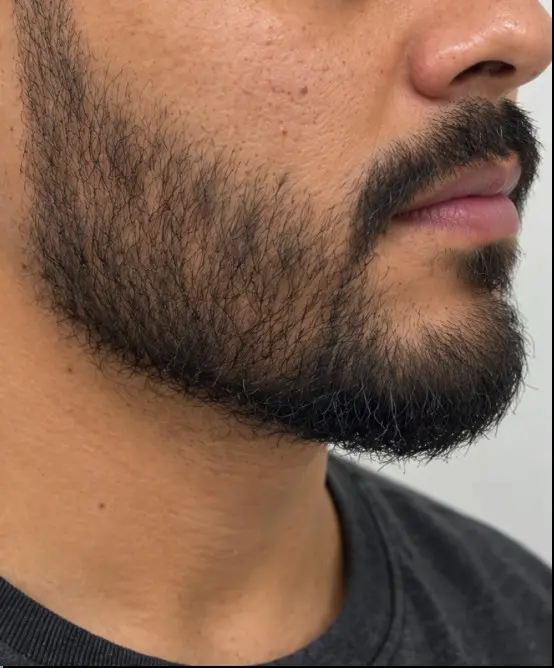 After
After
A beard transplant is a surgical hair restoration procedure that uses your own permanent hair follicles to add density, improve coverage or reshape areas of facial hair. Donor follicles are usually taken from the back and sides of the scalp, where the hair is more resistant to thinning.
Each graft is then placed individually into the beard area, with careful attention to angle, direction and spacing so the new growth follows a natural facial hair pattern. Treatment can be used to strengthen patchy areas, define the cheeks or jawline, or create fuller beard coverage where growth is limited.

Good preparation helps make your procedure and recovery as smooth as possible. Before treatment, your clinical team will guide you on shaving, medications, skincare and what to avoid in the days leading up to your transplant, so you arrive fully prepared and know what to expect.
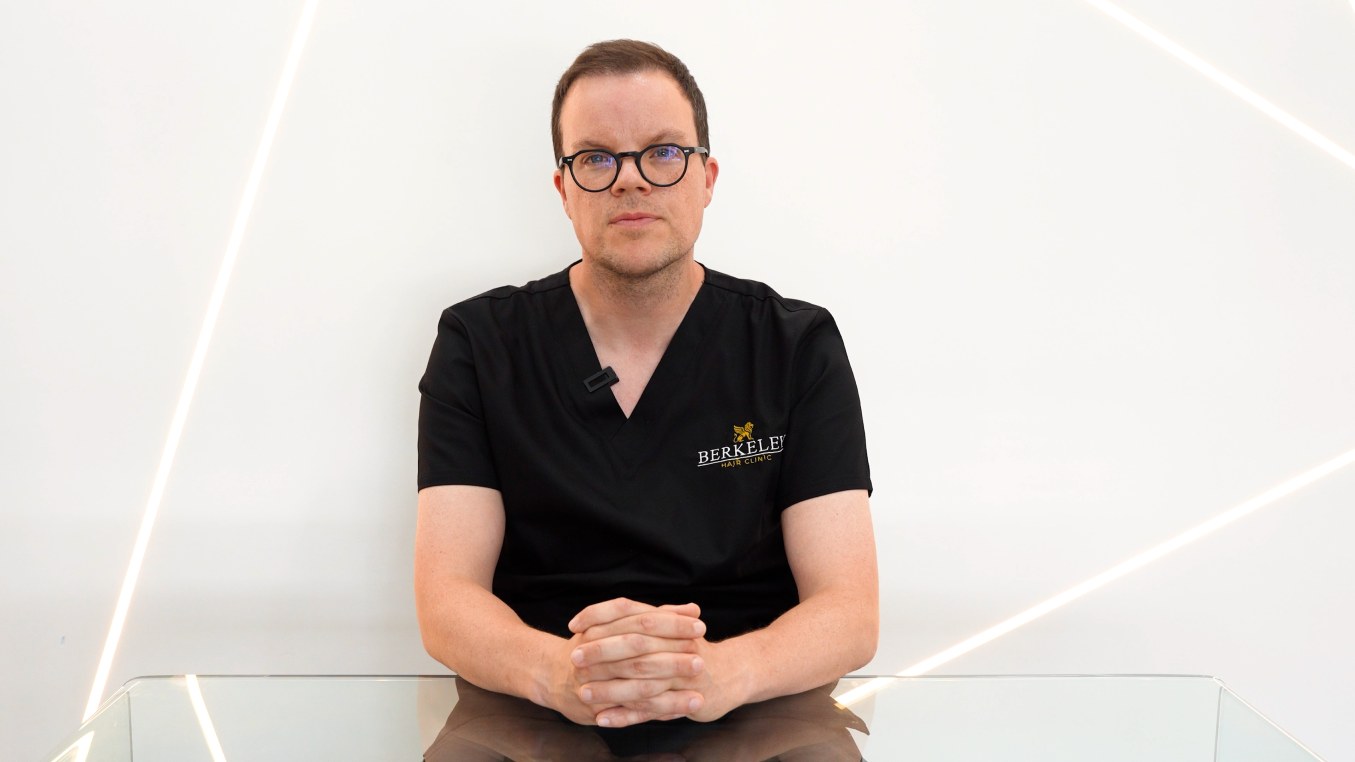
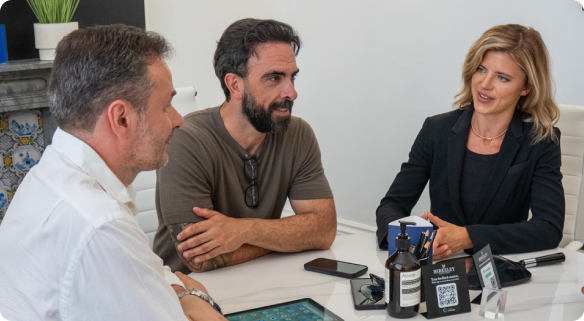
During your complimentary consultation, your Berkeley surgeon will assess your beard goals, facial hair pattern and donor area, then explain exactly how to prepare for your procedure. You'll receive personalised guidance on shaving, skincare, medications and what to avoid beforehand, so you know exactly what to expect on the day.
A beard transplant is carefully planned around your facial features, existing growth and the shape you want to achieve. Each stage focuses on selecting suitable donor hairs and placing them at the correct angle and direction for natural-looking facial hair.
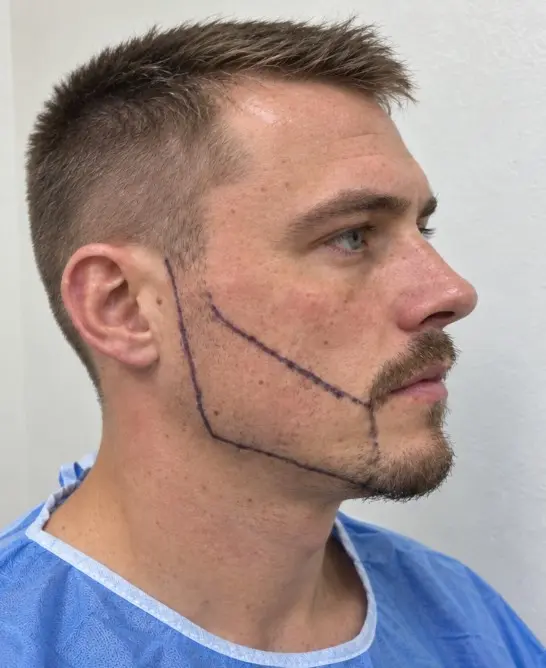
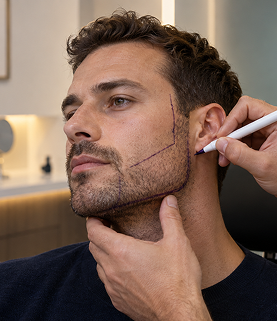
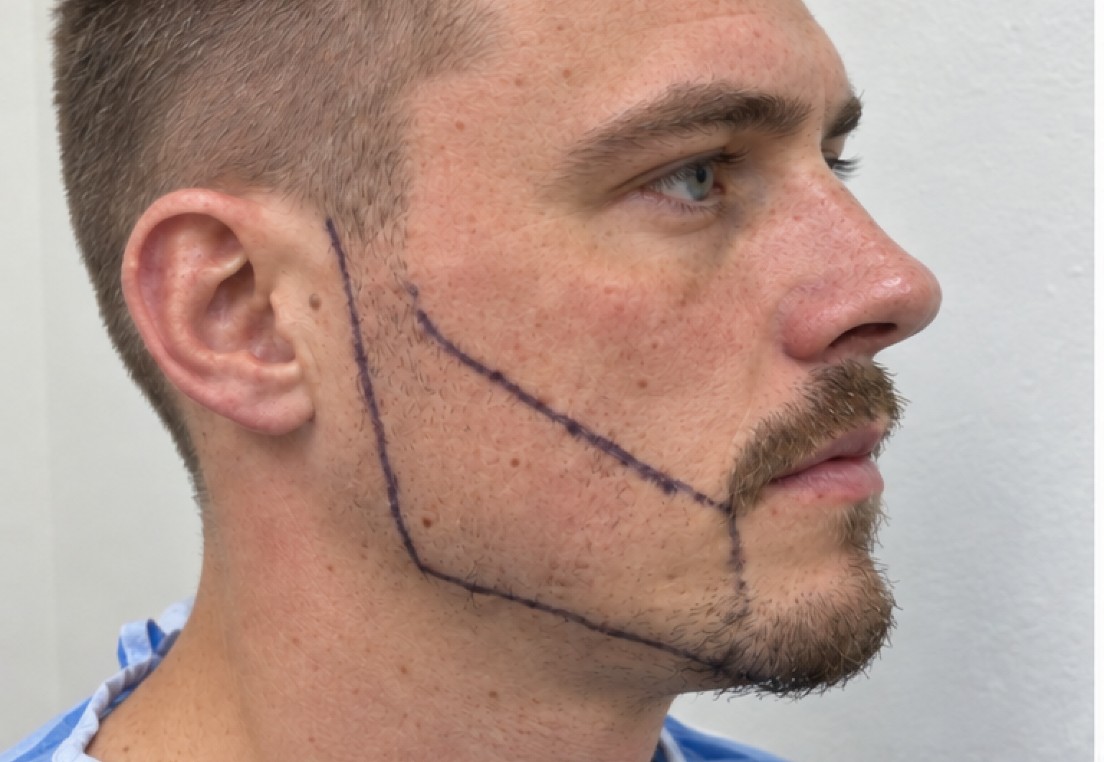
Your beard shape, density and existing growth are assessed before the treatment area is marked and local anaesthetic is administered.
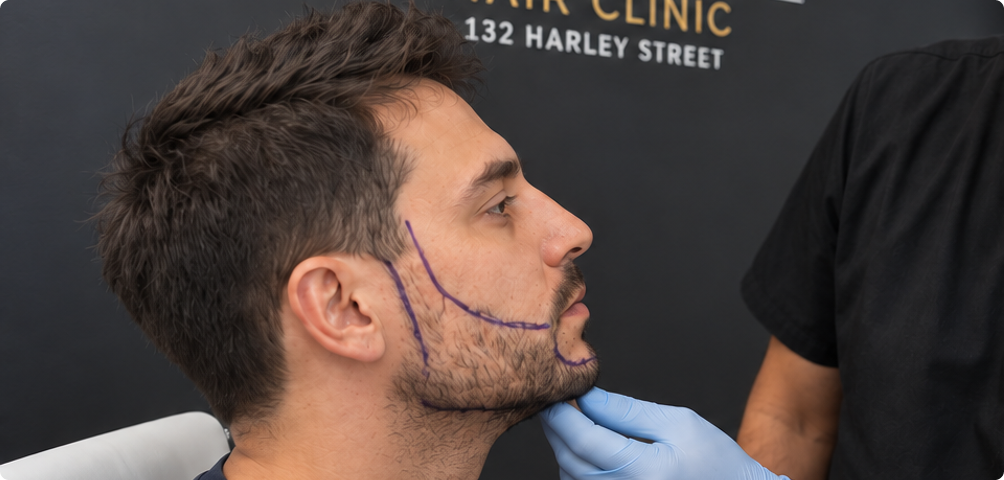
Before treatment begins, your surgeon plans the beard around your facial proportions, existing hair and desired coverage. The donor and recipient areas are prepared, and local anaesthetic is administered to keep you comfortable throughout the procedure.
Individual follicles are carefully extracted from the donor area, then selected and prepared to suit the texture and density required for your beard.
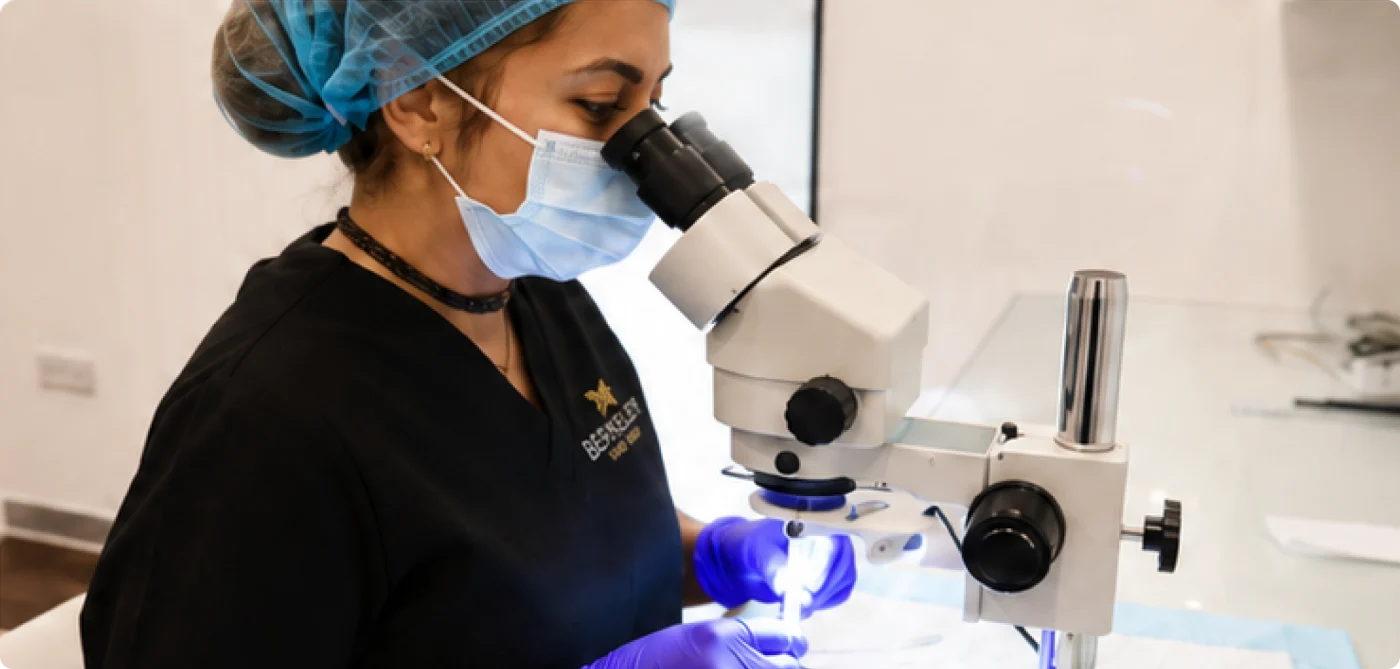
Individual follicles are carefully extracted from the donor area, then selected and prepared to suit the texture and density required for your beard.
Recipient sites are created using Berkeley Diamond Sapphire Blades™, with each graft placed to follow the natural angle, direction and density of facial hair growth.
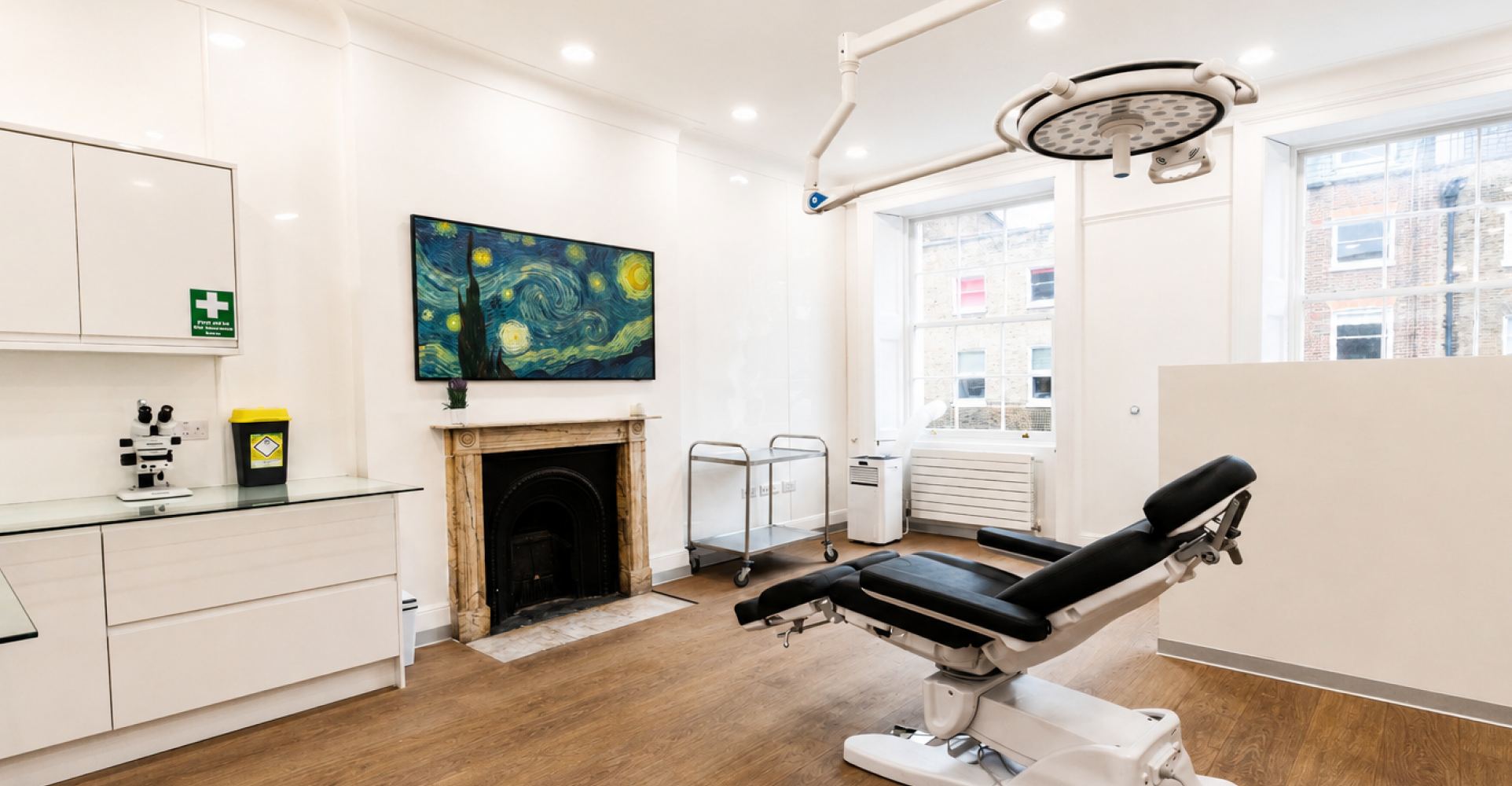
Using Berkeley Diamond Sapphire Blades™, exclusive to Berkeley in the UK, your surgeon creates recipient sites around the planned beard shape and facial contours. Each graft is then placed with close attention to angle, direction and spacing, helping the new growth blend naturally through areas such as the cheeks, jawline, moustache and goatee as it matures.
Before treatment begins, your surgeon plans the beard around your facial proportions, existing hair and desired coverage. The donor and recipient areas are prepared, and local anaesthetic is administered to keep you comfortable throughout the procedure.
Individual follicles are carefully extracted from the donor area, then selected and prepared to suit the texture and density required for your beard.
Using Berkeley Diamond Sapphire Blades™, exclusive to Berkeley in the UK, your surgeon creates recipient sites around the planned beard shape and facial contours. Each graft is then placed with close attention to angle, direction and spacing, helping the new growth blend naturally through areas such as the cheeks, jawline, moustache and goatee as it matures.


Beard transplant treatment at Berkeley Hair Clinic starts from £3,499. Your final cost depends on the number of grafts required, the areas being treated and the level of density, coverage or definition you want to achieve. A treatment designed to fill small patches will naturally differ from one intended to strengthen the cheeks and jawline or create a fuller beard, so every plan begins with an assessment of your existing facial hair and available donor supply.
At Berkeley, the price reflects much more than graft numbers alone. Beard transplantation requires careful design because facial hair grows at different angles and densities across the cheeks, jawline, moustache and goatee. Your surgeon will consider your facial proportions, natural growth pattern and preferred beard shape, while Berkeley Diamond Sapphire Blades™ are used to create recipient sites with close attention to angle, direction and spacing.
Your care continues well beyond the procedure itself. The Berkeley team will guide you through the early healing period, including how to wash and care for the transplanted area, when you can return to normal activities and what to expect as new growth begins. Ongoing aftercare means you have a team to turn to with questions throughout recovery and as your beard develops over the following months.
We do not use fixed graft packages or a one-size-fits-all approach. During your complimentary consultation, your surgeon will assess your donor hair, discuss the coverage you want to achieve and explain the likely graft requirements. You will then receive a **clear, personalised quotation** based on the treatment clinically recommended for you, so you understand both the proposed plan and the cost before making a decision.
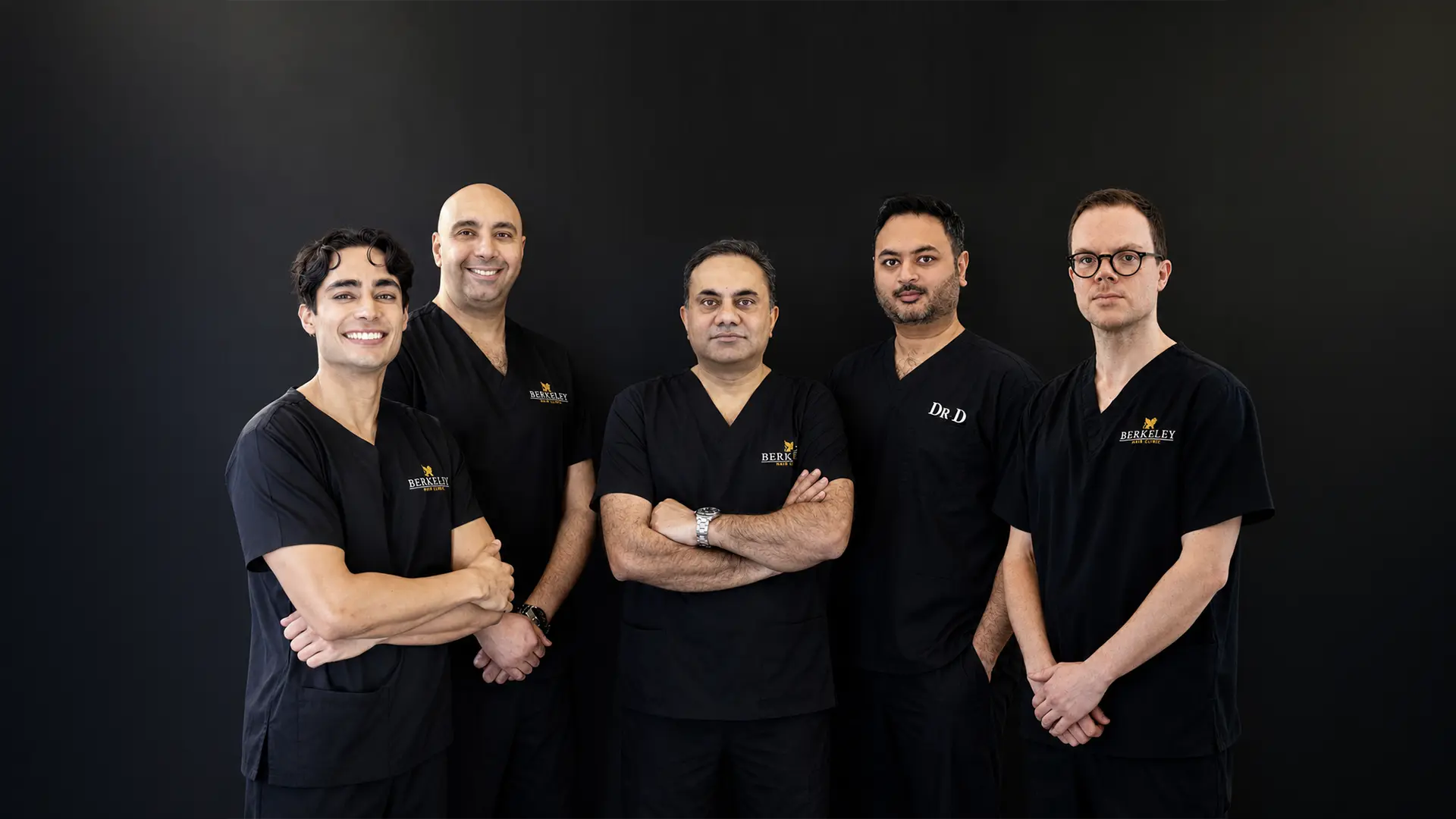
Meet the experienced surgeons behind Berkeley's award-winning care, known for natural results and a patient-first approach.
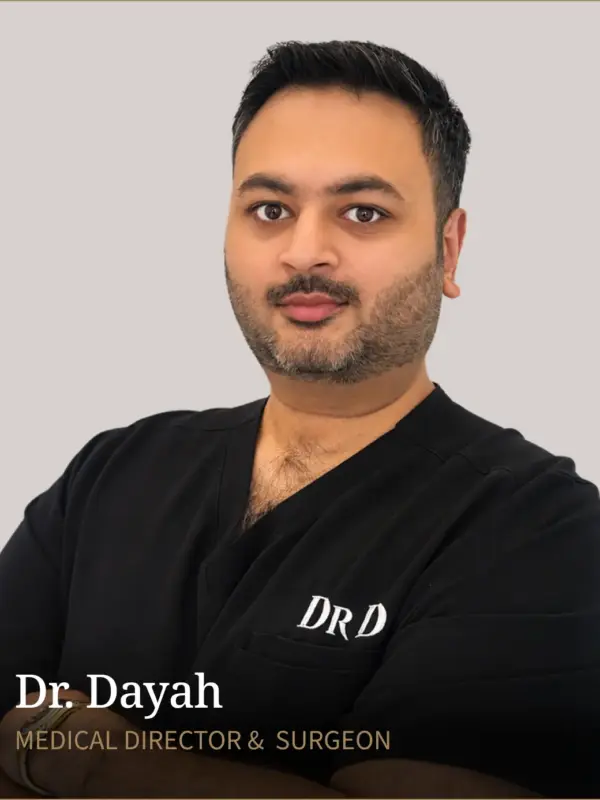
Dr Dayah is a leading hair restoration surgeon known for meticulous planning, surgical precision and hyper-natural results. He founded Berkeley Hair Clinic to deliver care to his exacting standards.
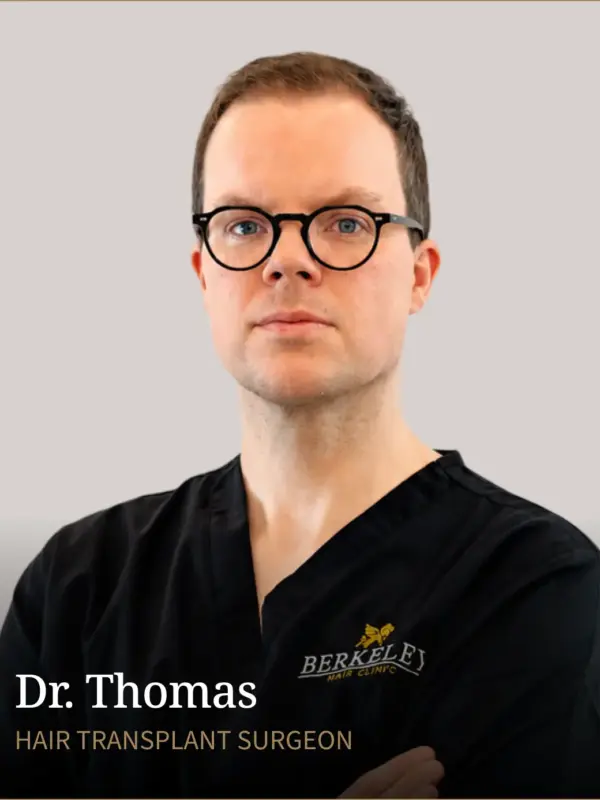
Dr Peter Thomas is a UK-trained hair transplant surgeon renowned for delivering refined, natural-looking results through advanced FUE (Follicular Unit Extraction) techniques.
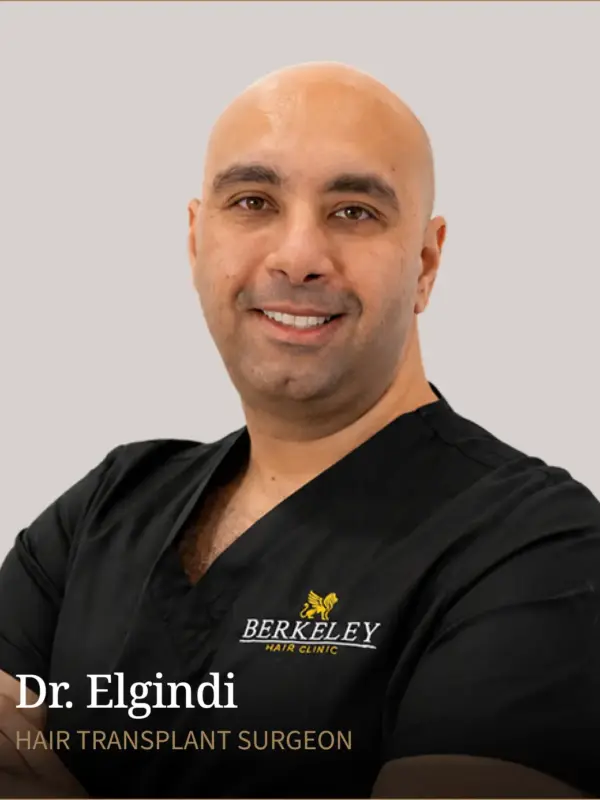
Dr Aziz Elgindi is an experienced hair transplant surgeon and former lead surgeon at Manual, recognised for refined technique and consistently natural-looking results. An ISHRS member, he places strong emphasis on precision, patient safety and long-term outcomes.

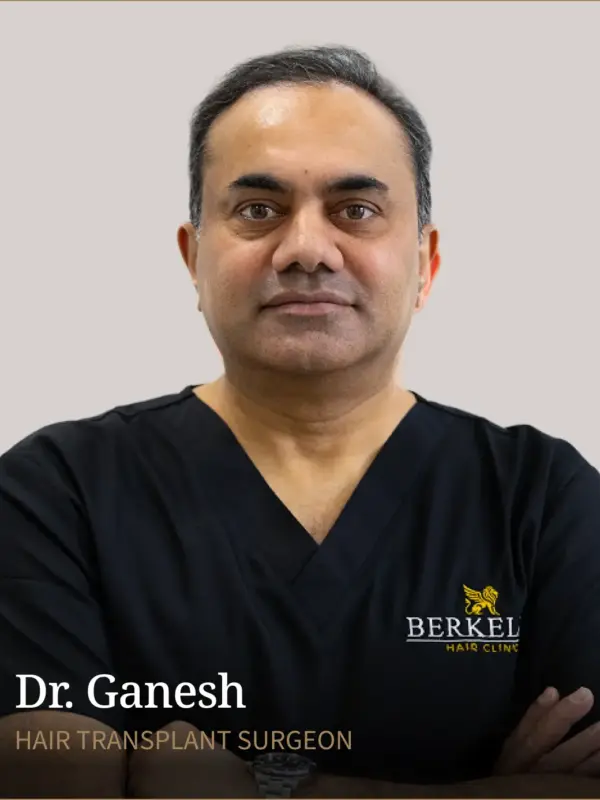
Dr Ganesh Krishnan is one of the UK’s most experienced hair restoration surgeons, with over 15 years dedicated exclusively to hair transplant surgery and expertise in both FUE and FUT techniques.
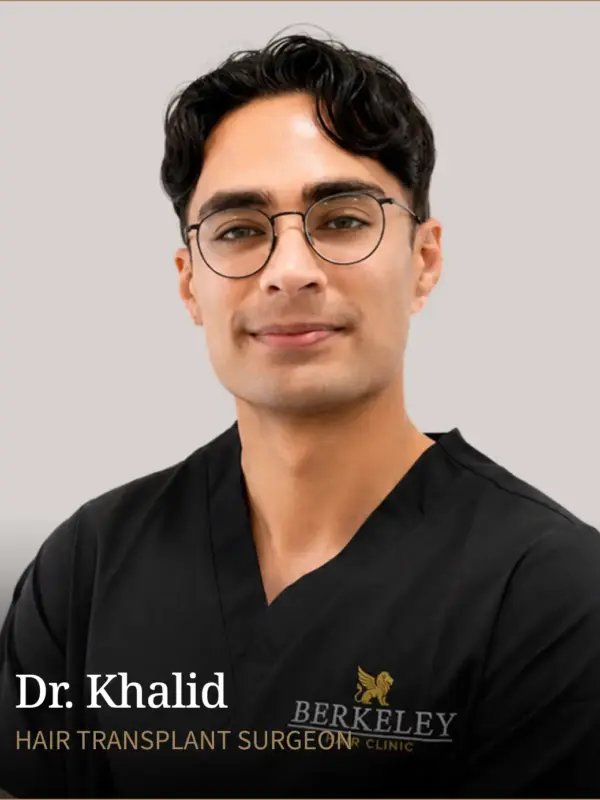
Dr Khalid is known for his disciplined surgical technique and consistently natural hair transplant outcomes. With a strong focus on accuracy, donor preservation, and structured planning, he delivers results designed to remain stable, natural, and predictable over the long term.





A successful beard transplant is not simply about adding more hair. Shape, density, direction and the transition between existing and transplanted growth all influence how natural the final result looks. At Berkeley, every beard transplant is surgeon-led and planned around your facial features, donor characteristics and the style you want to achieve, combining decades of surgical experience, precision graft placement and transparent pricing from £3,499.
Your surgeon plans the shape, coverage and density around your facial proportions, existing growth and the beard style you want to achieve.
Berkeley Diamond Sapphire Blades™ allow recipient sites to be created with close attention to angle, direction and spacing for natural-looking facial hair growth.
Donor hairs are selected and extracted with care to achieve the right balance of texture and density while protecting the donor area for the long term.
Using Berkeley Diamond Sapphire Blades™, grafts are placed to follow natural direction, density and flow.
Book a complimentary FUE consultation to explore your options and receive clear guidance on the approach best suited to your hair.
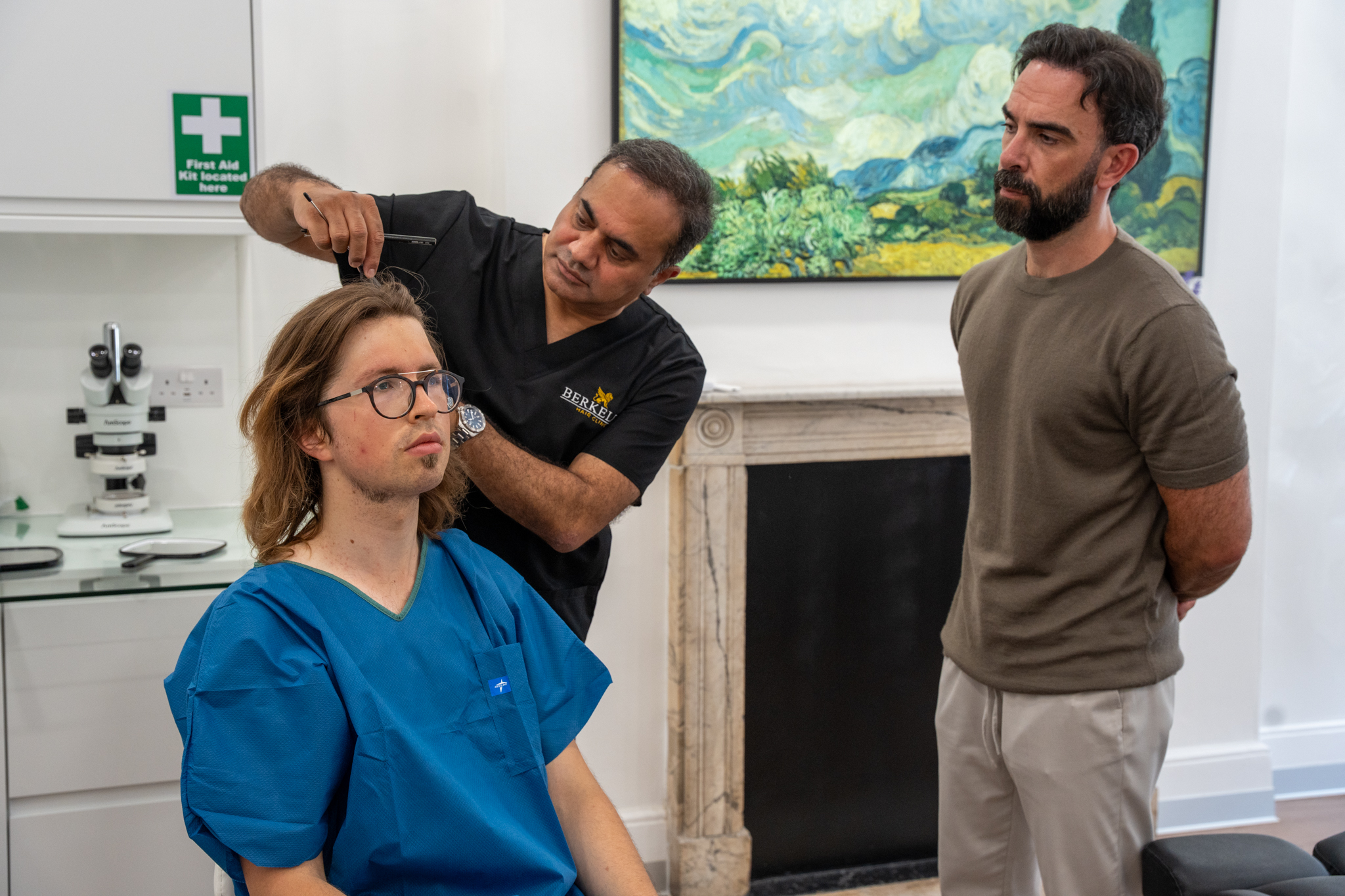
I know first-hand how important the right support can be, and I’m passionate about helping patients feel comfortable and confident throughout their journey.

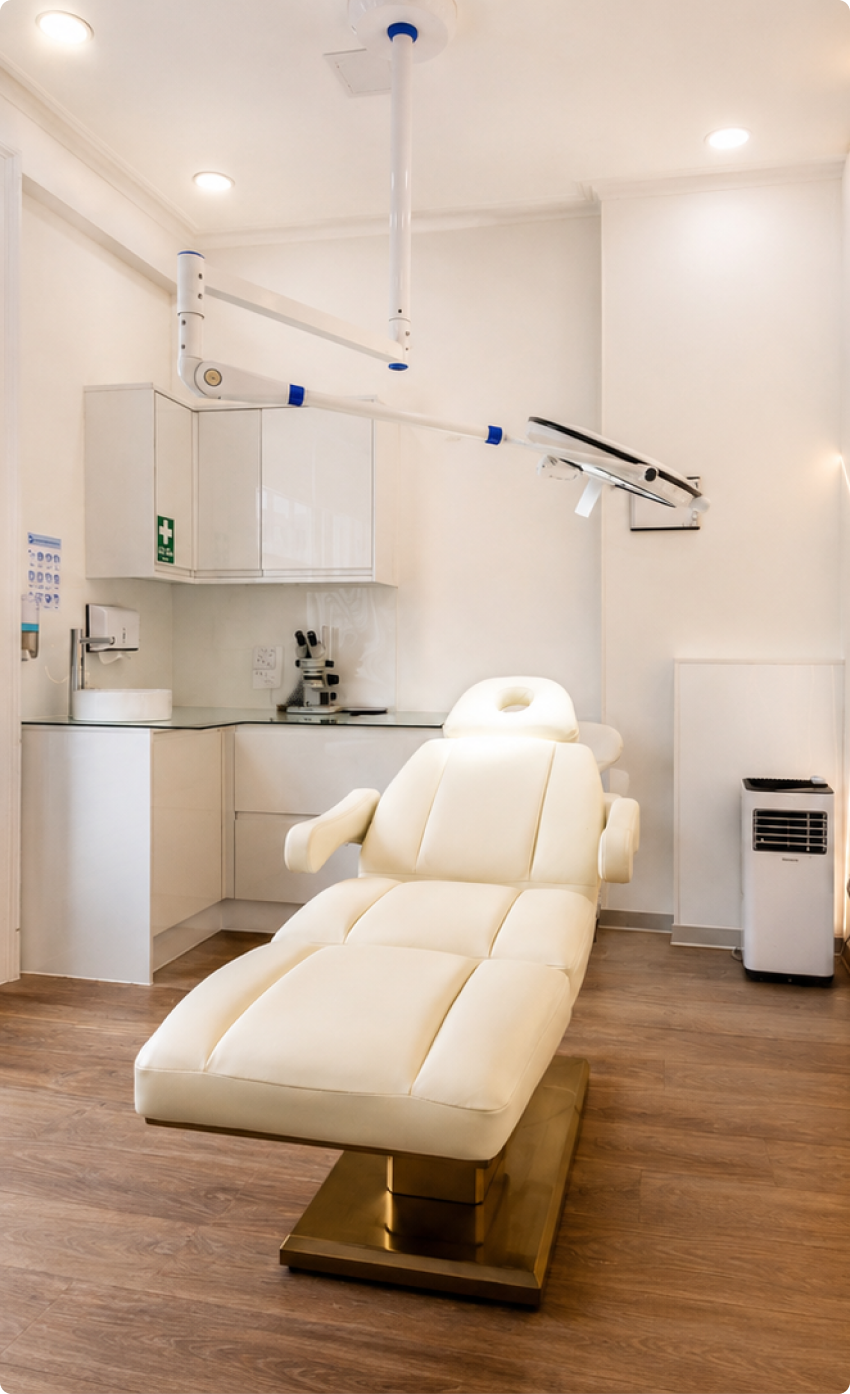
At Berkeley, we consider every part of your experience, not just the procedure itself. From planning your visit to your personalised theatre experience and aftercare, every detail is thoughtfully arranged to make your treatment day feel smoother, more comfortable and easier to prepare for.

Enjoy your choice of premium food and refreshments, arranged around your treatment day.
Longer treatment days are made more comfortable with carefully arranged food and drink options, helping you feel looked after throughout your visit.
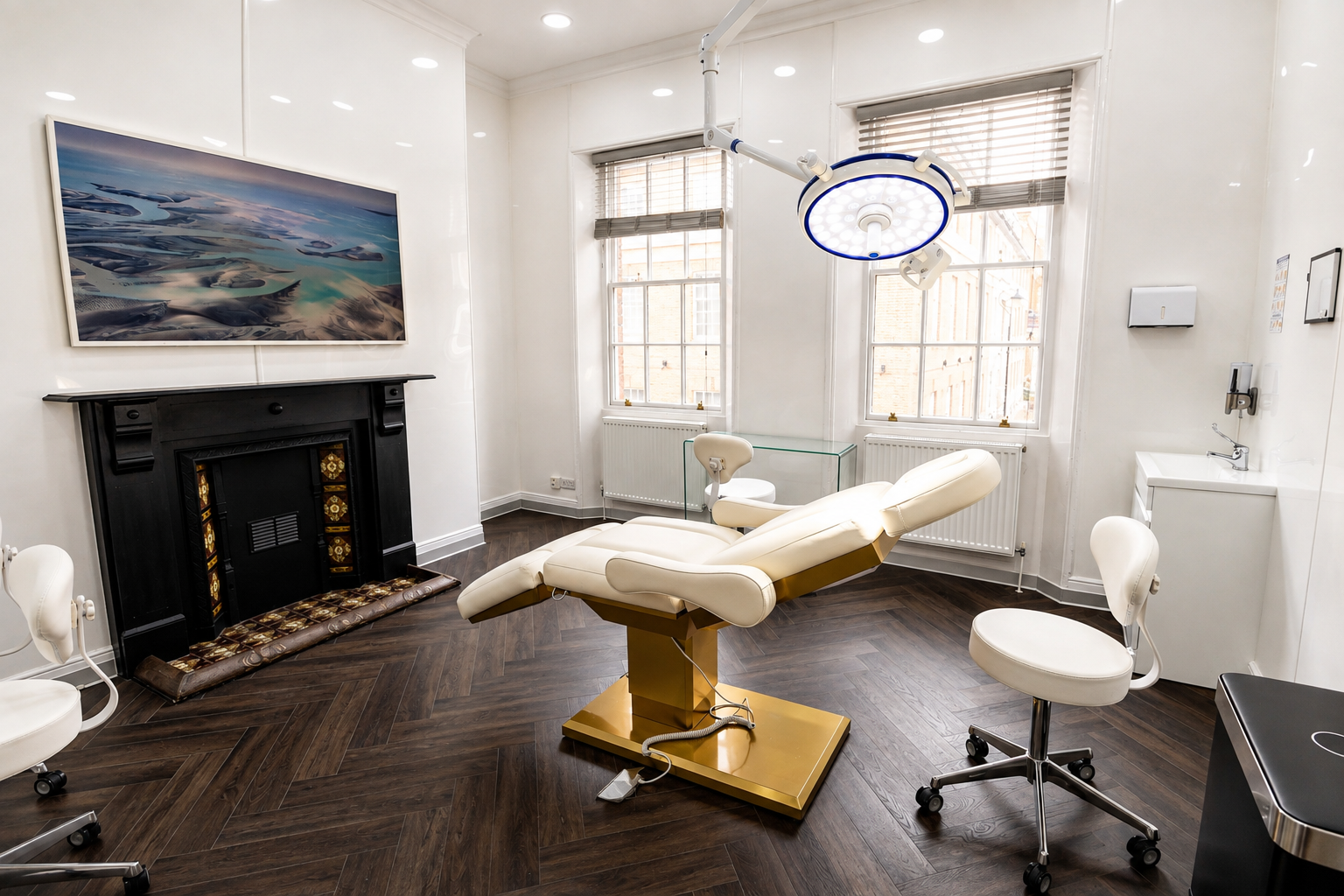
Choose your preferred music or movies to help make your treatment feel more relaxed and personal.
Tell us what you would like to watch or listen to and we will have it ready in theatre, so the hours pass in a calm, familiar way that feels like your own.

Exclusive rates at carefully selected 4 and 5-star hotels for patients travelling to Berkeley.
If you are travelling from further afield, our team can recommend and help arrange nearby hotels at preferred rates, so your stay is as easy as your treatment.
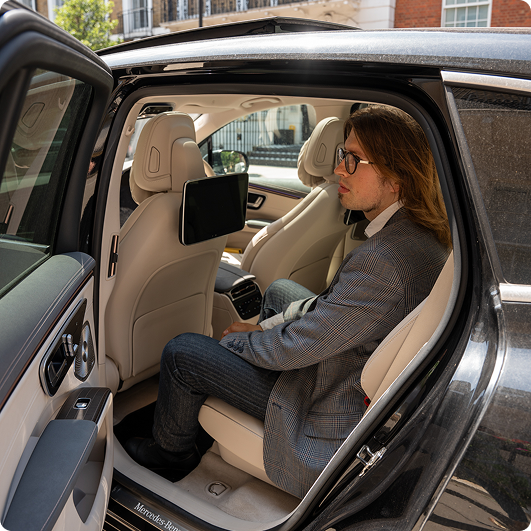
Private chauffeur transfers to and from the clinic, available on request.
Arrive and leave in comfort. A private driver can collect you from home, your hotel or the station and bring you back after your procedure, with no need to plan the journey yourself.
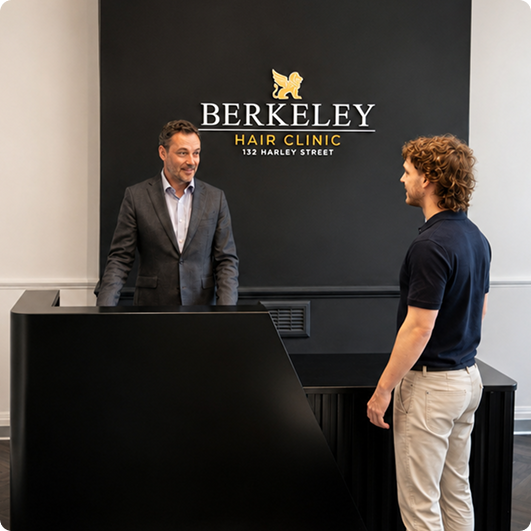
A dedicated point of contact to help coordinate your visit and answer any questions along the way.
From your first enquiry to your final check-up, one named adviser looks after the details, keeps you informed and is on hand whenever you have a question.
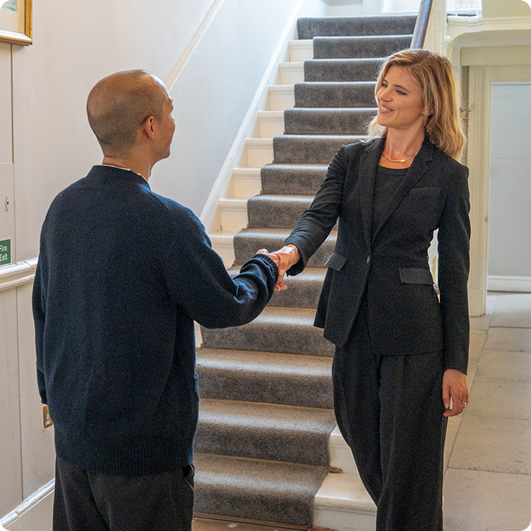
Personalised guidance and ongoing support from consultation through to recovery.
Your surgeon plans every step around you, and our aftercare team stays in touch through recovery with clear guidance, scheduled reviews and direct support when you need it.
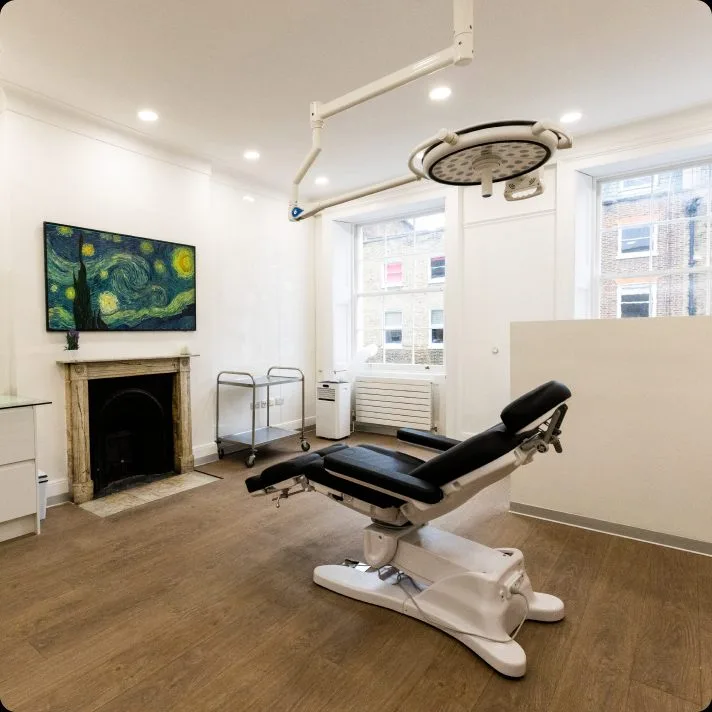
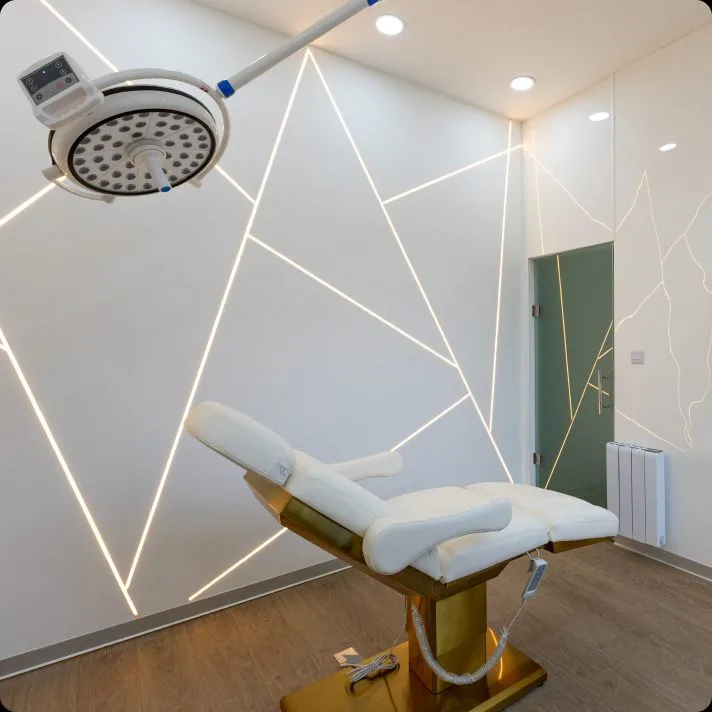
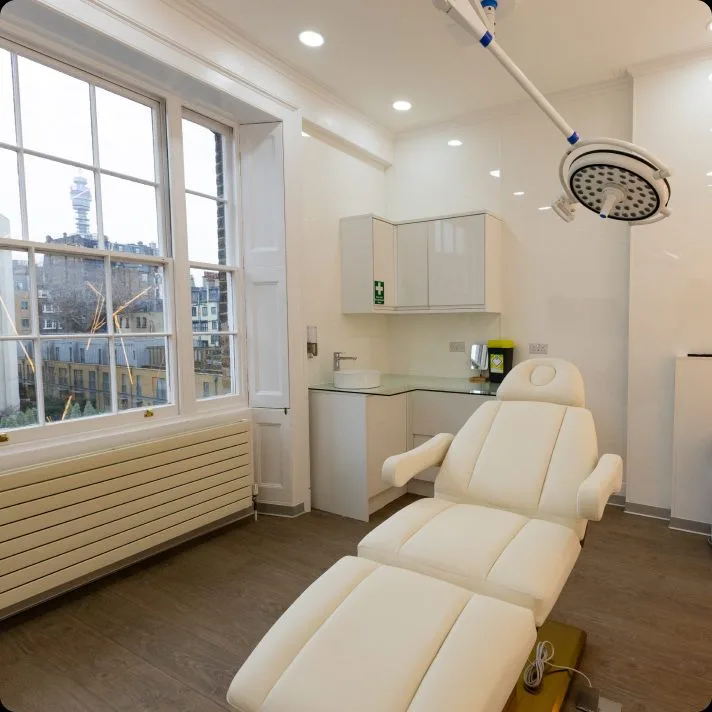

Browse real FUE hair transplant before and after results from Berkeley patients. See how careful hairline design, density planning and precise graft placement come together across different graft counts, treatment areas and stages of growth.
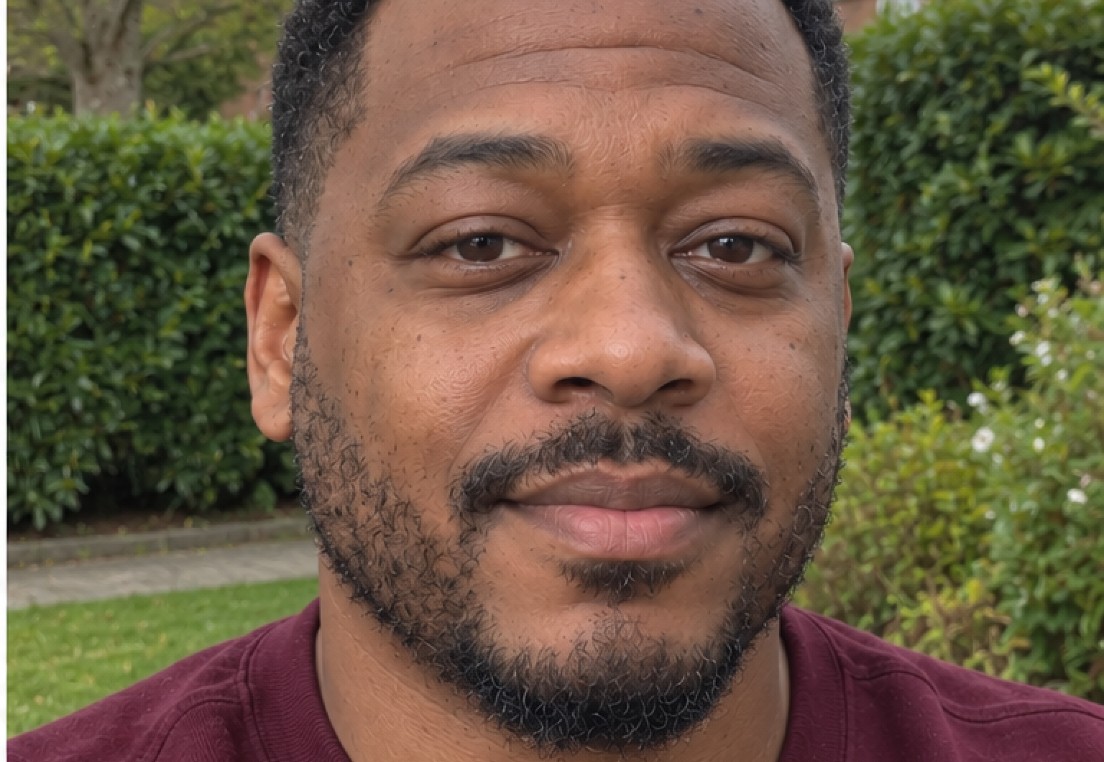
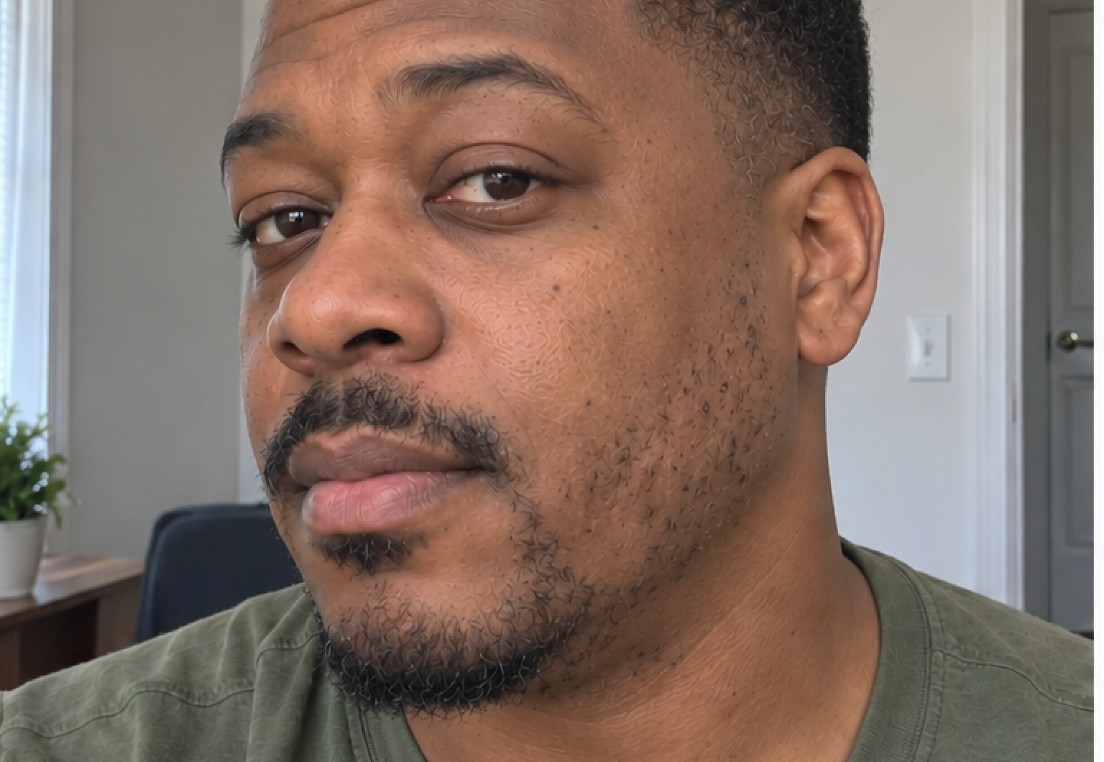
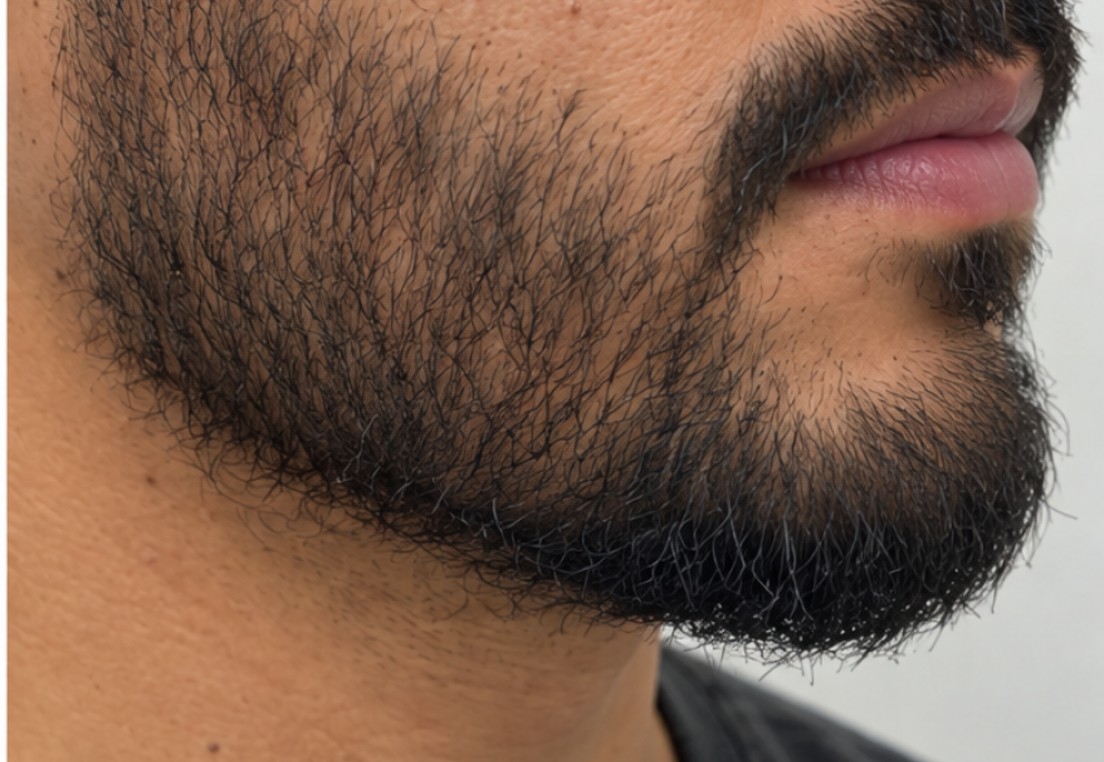
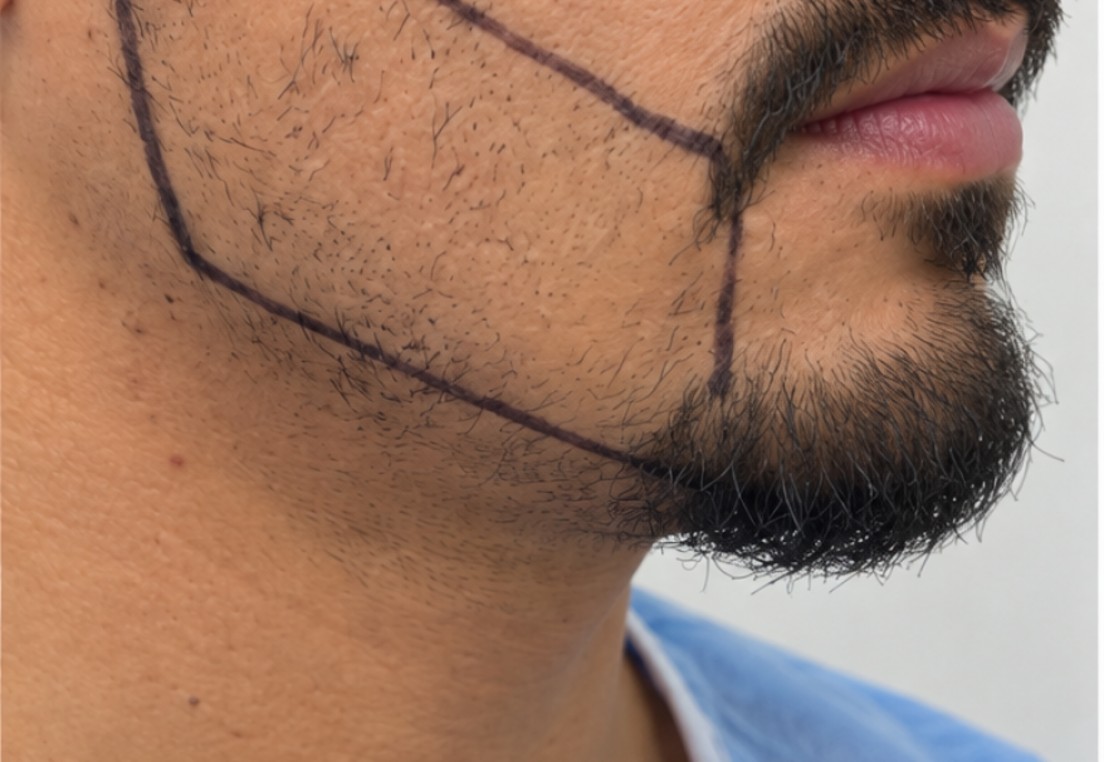
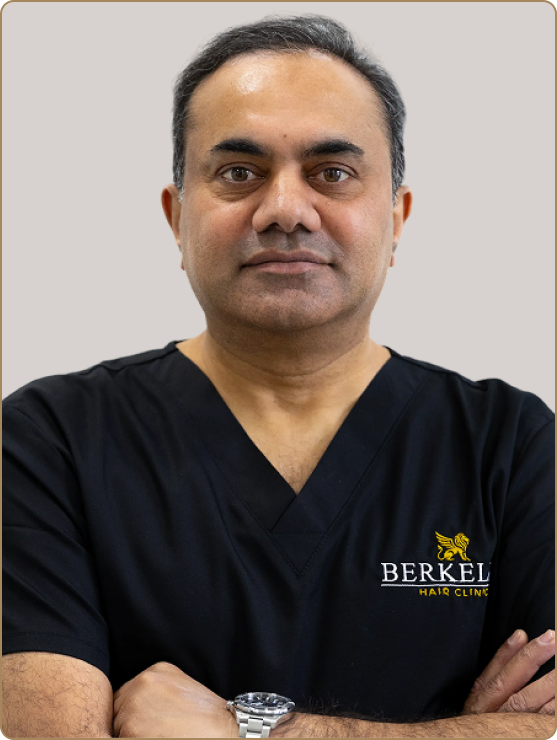
“One of the most important parts of hair restoration is knowing what not to do. Good surgery is not about using the maximum number of grafts or creating the lowest possible hairline. It is about making the right decisions for the individual in front of you.
I believe the best results come from restraint, proportion and long-term thinking. A treatment should respect the patient’s age, facial features, donor supply and the way their hair may change over time. Sometimes the most skilful decision is to be conservative, protect what you have and create a result that will continue to make sense years from now.
Patients place a great deal of trust in us, and that comes with responsibility. My role is to give clear, honest advice, explain what is realistically achievable and only recommend treatment when I believe it is genuinely in the patient’s best interests.”
Beard transplantation is a surgical procedure and, like any treatment of this kind, carries potential risks and side effects. Because grafts are placed into highly visible areas of the face, careful planning, natural growth direction and appropriate aftercare are particularly important.
Overharvesting – removing too many grafts from the donor area can create visible thinning or patchiness
Poor technique outside the Safe Donor Area (SDA) – can cause permanent damage and unnatural results
Unlicensed clinics (black market procedures) – increase the risk of scarring, poor growth, and uncorrectable damage
Minor scalp cysts or small bumps at extraction sites
Mild infections that can be managed with proper care
Temporary hair shedding (telogen effluvium) of existing native hairs, which typically regrow over several months
Redness, swelling, or mild discomfort around the treated areas
At Berkeley, safety and ethical planning guide every beard transplant procedure. Your surgeon will explain any individual risks before treatment, and our team remains available throughout recovery to answer questions, review concerns and help manage any temporary side effects.
Good aftercare is essential to protect your new beard grafts, support healing and achieve the best possible result. Our clinical team will guide you through each step, from the first few days after your beard transplant to your ongoing facial hair care routine, so you can recover with confidence.

In the days after your beard transplant, the treated area will begin to heal as the new grafts settle into place. You’ll receive clear guidance on cleansing, activity, medication and when you can gradually return to your normal grooming routine, helping you move through recovery with confidence.
Suitability depends on your existing facial hair, donor hair quality, skin characteristics and the coverage or shape you want to achieve. Your surgeon will assess these factors during consultation.
Most beard transplants are completed in one day and typically take around five to seven hours, depending on the number of grafts and areas being treated.
Treatment is performed under local anaesthetic to keep you comfortable throughout. Mild tenderness, tightness or sensitivity can occur during the early stages of healing.
New growth develops gradually over several months. Density and texture continue to mature, with the final result usually becoming clear at around 12 months.
Transplanted follicles are usually taken from areas of the scalp that are more resistant to hair loss. Once established, they are intended to continue growing long term.
Donor follicles are most commonly taken from the back and sides of the scalp. Your surgeon carefully selects hairs that are suitable for the texture, density and look of your beard.
With FUE, individual follicles are extracted rather than a strip of scalp being removed, so there is no linear donor scar. Tiny extraction and implantation points usually become less noticeable as they heal.
Redness, swelling and small crusts are common during the first several days, with visible healing typically improving over around 7–10 days. Your team will provide detailed aftercare guidance.
You will need to avoid shaving the transplanted area during the initial healing period. Your surgical team will advise when it is safe to resume trimming or shaving as the grafts settle.
From consultation and personalised beard design to surgery, recovery and aftercare, your treatment is supported by an experienced surgical and patient care team focused on natural-looking growth, precise facial hair placement and a smooth, well-supported experience.
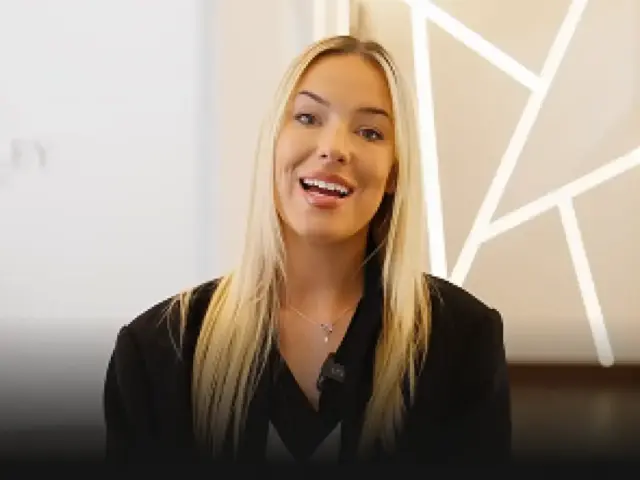
Your first point of contact, here to guide you through your journey with care and attention.
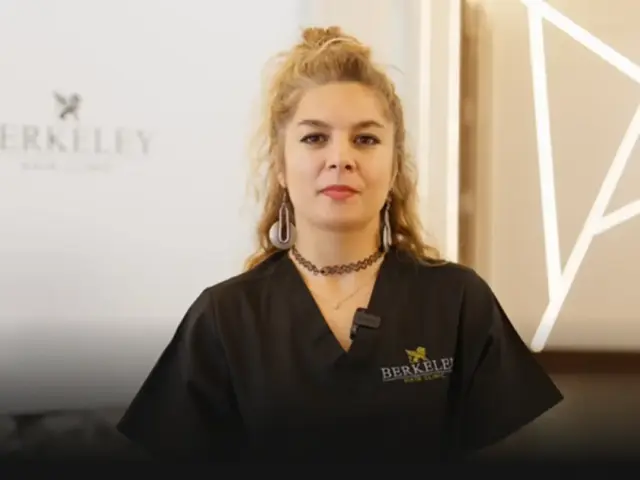
Supporting each procedure with precision, technical expertise and close attention to detail.
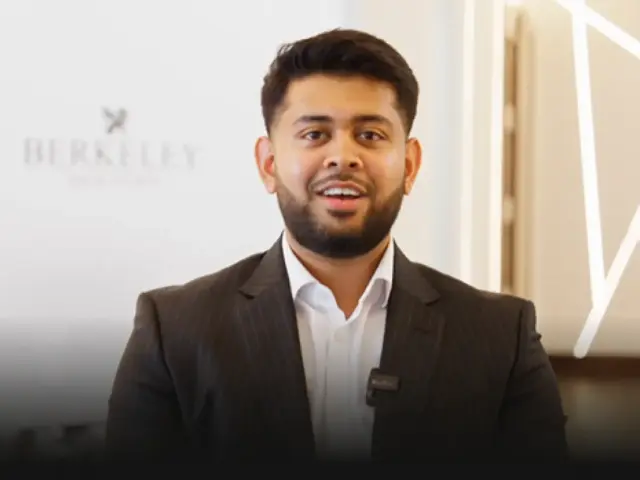
Keeping the clinic running smoothly, from day-to-day operations to the patient experience.
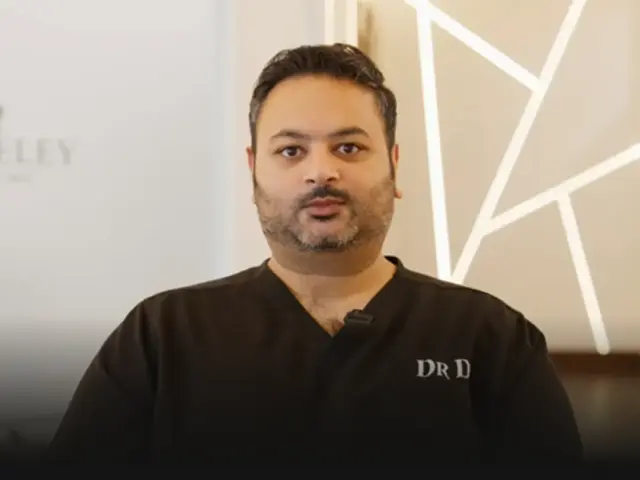
Leading clinical standards and ensuring every treatment meets the highest level of care.
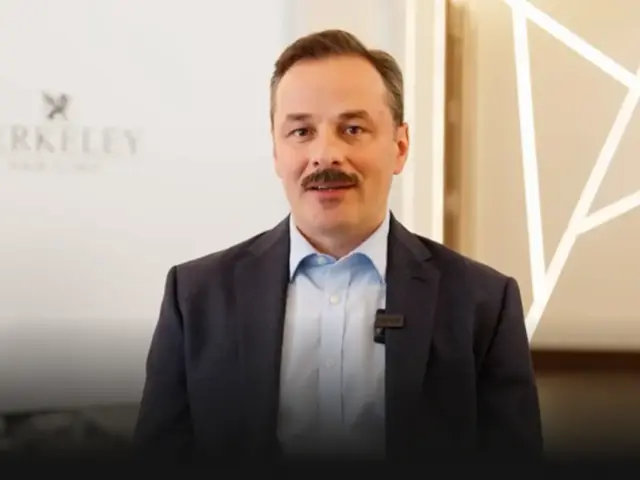
Overseeing the clinic team and day-to-day delivery to keep everything running smoothly.
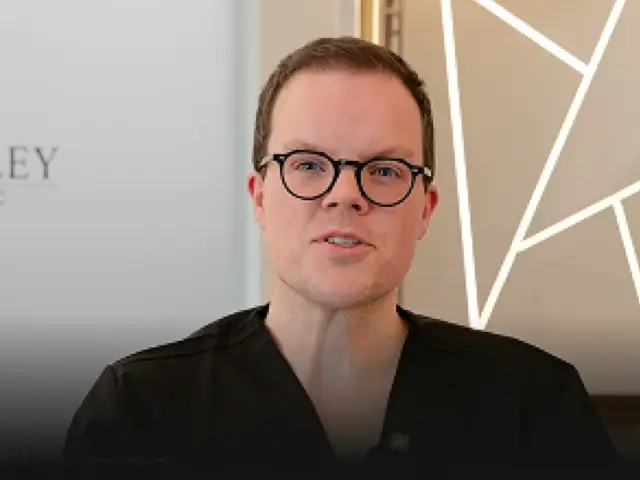
Performing hair transplant procedures with precision, expertise and a natural-results focus.
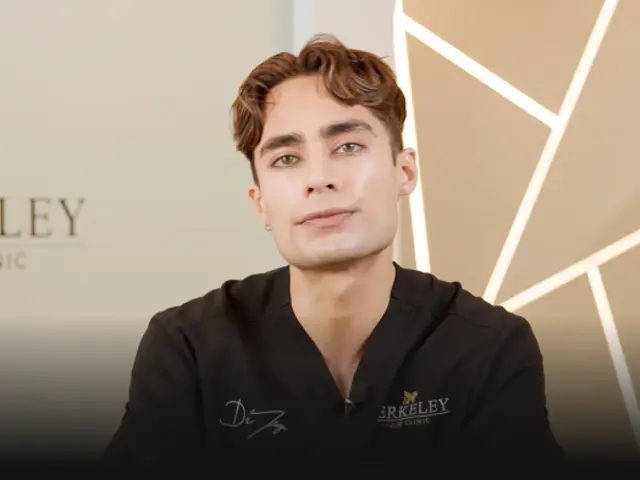
Focused on precise surgical technique and creating natural-looking hair restoration results.
Combining surgical expertise with careful planning to achieve balanced, natural outcomes.
The same Berkeley experience, available across our nationwide clinics.
132 Harley Street
London, W1G 7JX
P: 0207 088 8447
E: info@berkeleyhairclinic.com
THE BERKELEY EXPERIENCE
Consultations and treatments delivered by Berkeley's experienced surgical team.
CONSULTATION OPTIONS
- In-clinic consultations
- Video consultations
86 Hagley Rd
Birmingham, B16 8LU
P: 0121 661 0618
E: info@berkeleyhairclinic.com
THE BERKELEY EXPERIENCE
Consultations and treatments delivered by Berkeley's experienced surgical team.
CONSULTATION OPTIONS
- In-clinic consultations
- Video consultations

27 Middle Street
Brighton, BN1 1AL
P: 01273 569321
E: info@berkeleyhairclinic.com
THE BERKELEY EXPERIENCE
Consultations and treatments delivered by Berkeley's experienced surgical team.
CONSULTATION OPTIONS
- In-clinic consultations
- Video consultations
79 Rykneld Rd, Littleover
Derby, DE23 4DJ
P: 0133 294 9710
E: info@berkeleyhairclinic.com
THE BERKELEY EXPERIENCE
Consultations and treatments delivered by Berkeley's experienced surgical team.
CONSULTATION OPTIONS
- In-clinic consultations
- Video consultations
25 Park Square W
Leeds, LS1 2PW
P: 0113 873 0321
E: info@berkeleyhairclinic.com
THE BERKELEY EXPERIENCE
Consultations and treatments delivered by Berkeley's experienced surgical team.
CONSULTATION OPTIONS
- In-clinic consultations
- Video consultations

13 Beaumont Street
Oxford, OX1 2LP
P: 0186 529 4656
E: info@berkeleyhairclinic.com
THE BERKELEY EXPERIENCE
Consultations and treatments delivered by Berkeley's experienced surgical team.
CONSULTATION OPTIONS
- In-clinic consultations
- Video consultations

Every patient is different, which is why every treatment begins with understanding your hair loss, goals and suitability. Explore our surgical and non-surgical options to see which approach may be right for you.
Natural-looking results with minimal downtime using advanced follicular unit extraction.
Explore
Ideal for patients who require a larger number of grafts while maintaining natural-looking density.
Explore
Designed to create natural-looking facial hair that suits your features and style.
Explore
Restore natural shape, fullness and definition with beautifully balanced, long-lasting results.
Explore
Personalised treatment for female hair loss, planned with discretion, expertise and long-term care.
Explore
Stimulate healthier hair growth and improve hair quality with regenerative PRP therapy.
ExploreThe shape and density look exactly how I hoped. The team made the beard transplant process straightforward, and the result blends naturally with my existing facial hair.
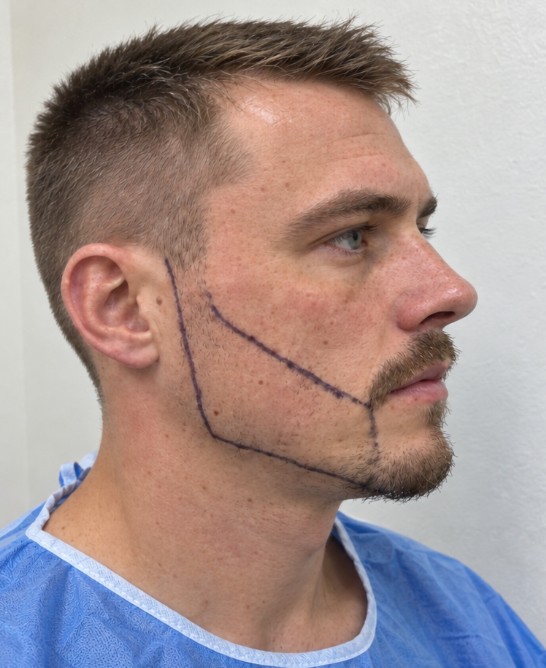 before
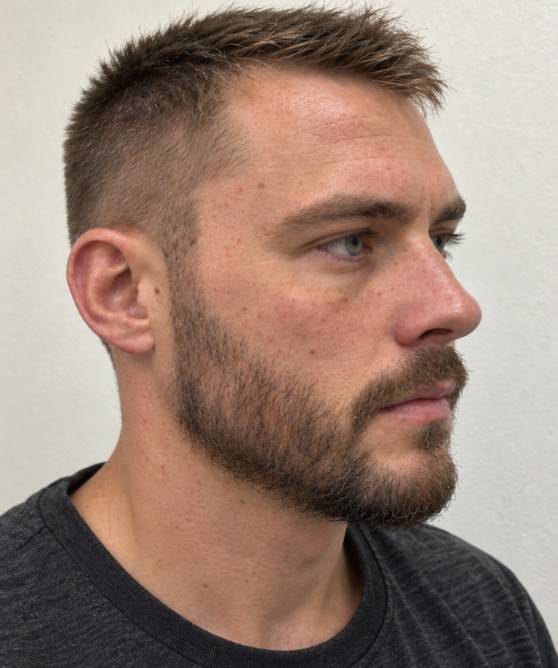 after
after
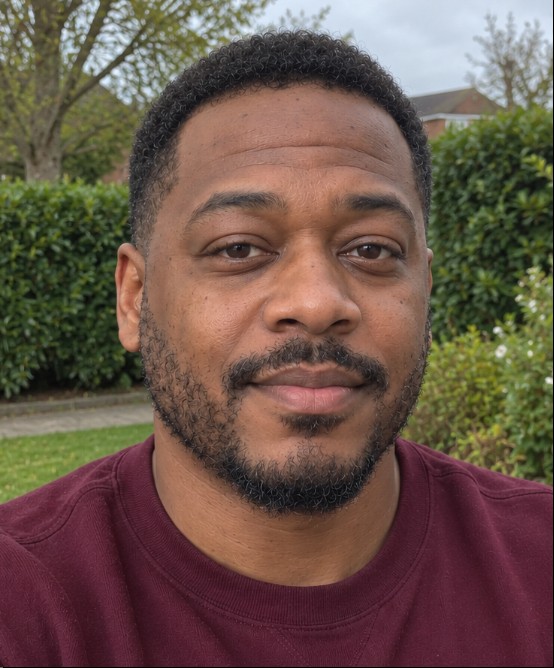
The shape and density look exactly how I hoped. The team made the beard transplant process straightforward, and the result blends naturally with my existing facial hair.
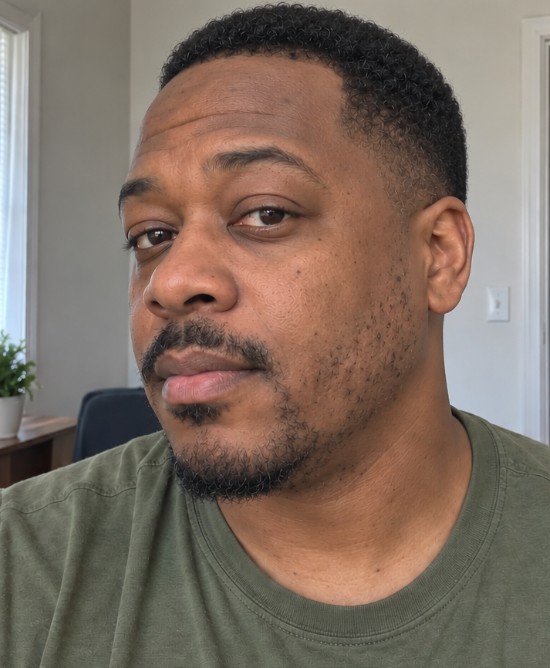 before
 after
after
The shape and density look exactly how I hoped. The team made the beard transplant process straightforward, and the result blends naturally with my existing facial hair.
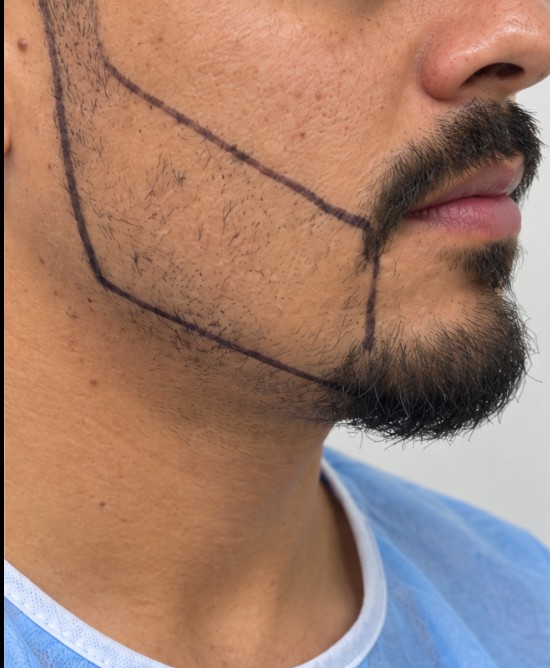 before
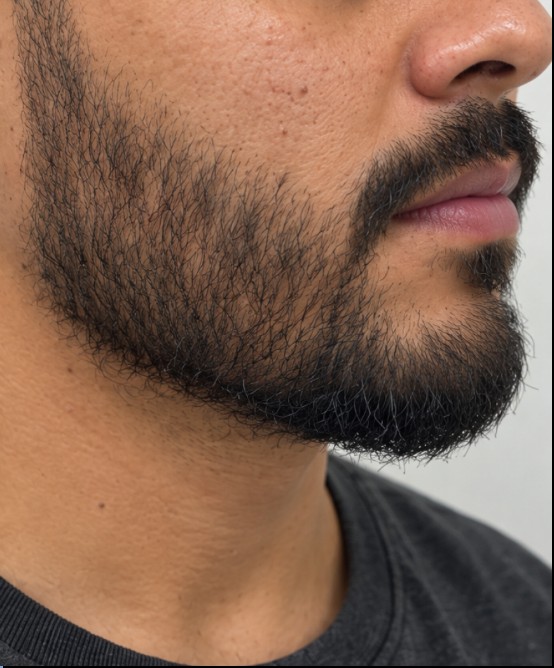 after
after
Most hair transplant side effects are mild and short-lived: swelling, numbness, itching, and the temporary shedding of transplanted hair in the first few weeks.
Read guide Hair Transplant Side Effects and RisksA hair transplant moves follicles from the back and sides of the scalp, where hair resists loss, into the thinning areas.
Read guide Do Hair Transplants Actually Work?Sustained stress can push hair follicles into their resting phase early, which shows up as noticeable shedding two to three months after the event that triggered it.
Read guide How Stress and Anxiety Can Trigger Hair LossMale pattern hair loss is far more common and tends to begin earlier, driven by a genetic sensitivity to DHT that shortens each growth cycle.
Read guide Is Hair Loss More Common in Men than in Women?