
Most hair transplant side effects are mild and short-lived: swelling, numbness, itching, and the temporary shedding of transplanted hair in the first few weeks. Serious complications are rare and usually trace back to technique or aftercare, which is why the choice of surgeon matters.
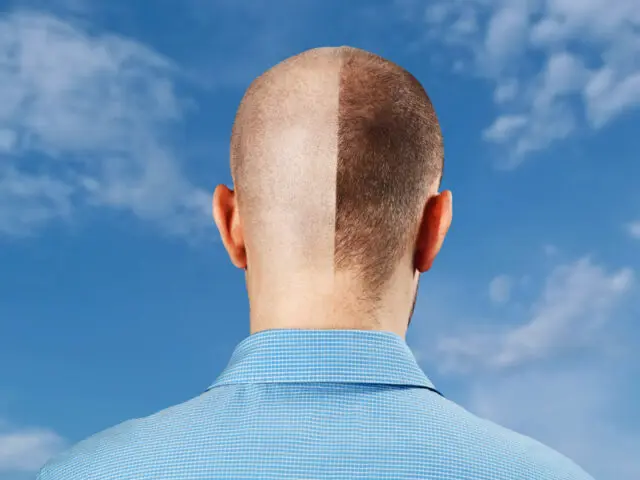
A hair transplant moves follicles from the back and sides of the scalp, where hair resists loss, into the thinning areas. The result is permanent where the donor supply is sound, and FUT or FUE is chosen on how many grafts you need and how you wear your hair.
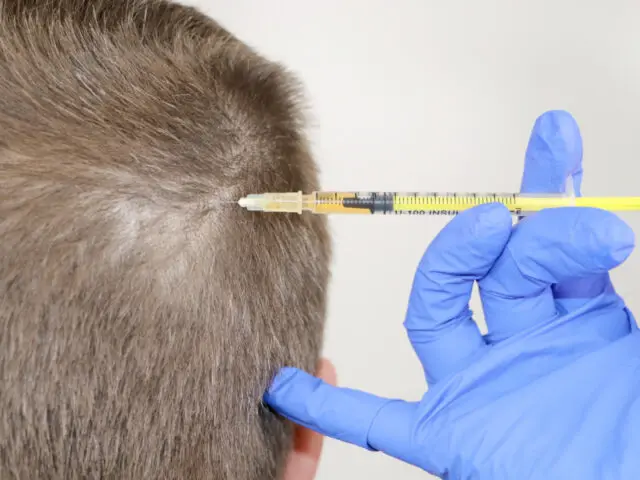
A hair transplant moves individual follicles from the donor area into the thinning zone, where small incisions control the angle, direction and density of every graft. The transplanted hair sheds within weeks, then regrows permanently from the same follicle over the months that follow.
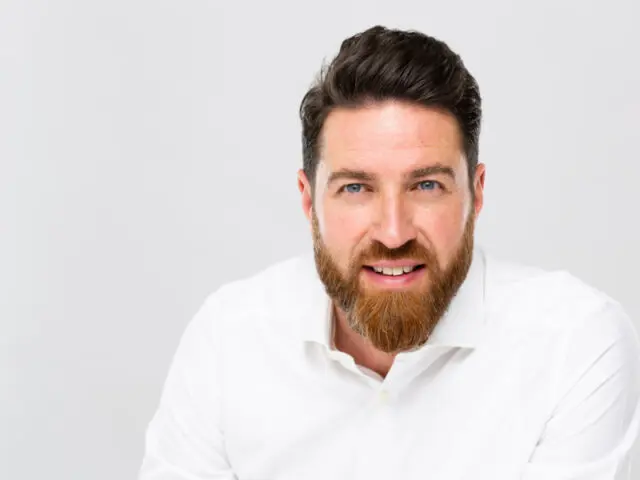
Visible recovery takes about two weeks: scabbing clears within seven to ten days and redness settles soon after. Growth runs far longer — the transplanted hair sheds first, regrowth begins near month three, and the final result arrives at twelve months.
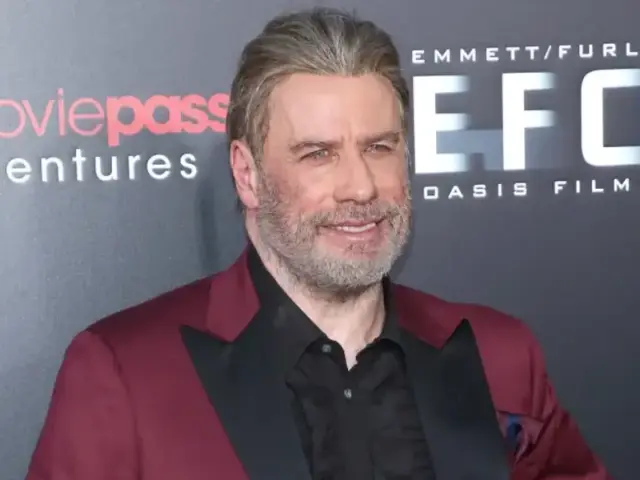
Travolta’s hairline has changed noticeably across four decades, from visible thinning and hairpieces in the 2000s to a fuller, natural-looking hairline more recently. He has never confirmed surgery, but the pattern fits a transplant rather than styling.
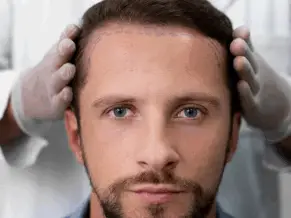
Transplanted follicles keep their resistance to DHT, so the hair they produce is permanent. What changes over time is the hair around them, since native hair can continue to thin, which is why planning for future loss matters more than the graft count alone.
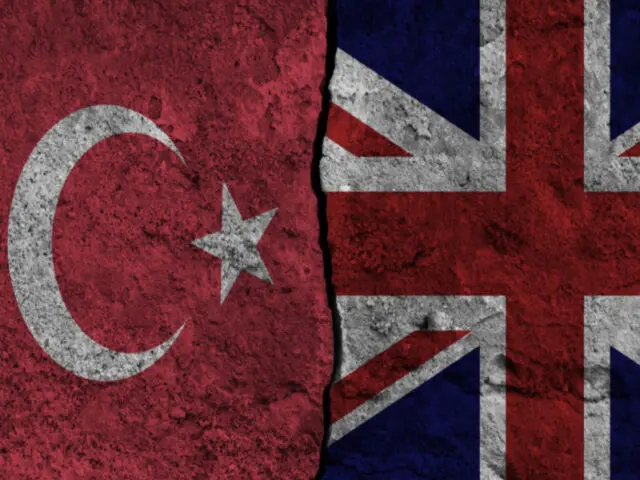
A UK transplant costs more because a doctor performs the surgery, the clinic is regulated by the CQC and aftercare is accessible. Turkish packages are considerably cheaper and often technician-led, so the saving is real, and so is the cost of correcting a result that goes wrong.